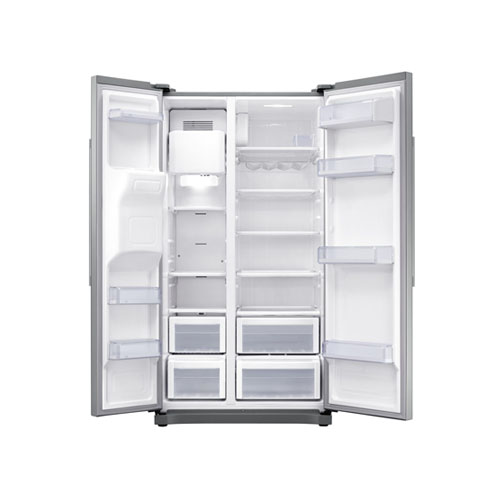
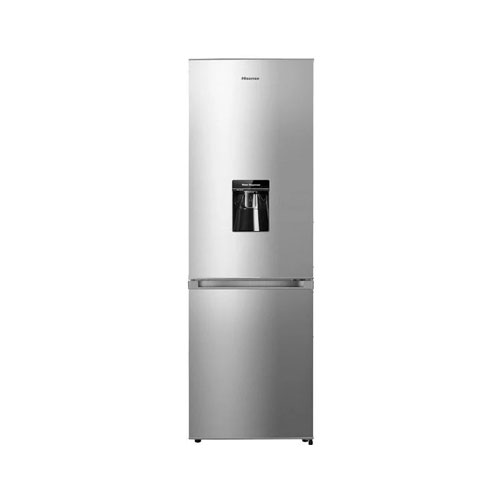
It is one of the most common fridge complaints we hear: the freezer is working perfectly, ice cream is solid, but the fridge section is lukewarm and the milk is going off. The good news is that this particular symptom often points to a fixable cause, because it means the cooling system itself is working. The cold is just not being shared properly.
How a frost-free fridge shares its cold
Most modern frost-free fridge freezers have one evaporator coil, which sits behind a panel in the freezer compartment. A fan pulls air across that icy coil and blows some of it into the freezer. A small amount is directed through a vent or an adjustable flap (called a damper) into the fridge section. When the fridge reaches the right temperature, the damper closes. If anything interrupts that airflow, the freezer stays cold but the fridge warms up.
1. Ice has blocked the evaporator or the air vents
The frost-free system melts the evaporator's frost with a heater at intervals. If the defrost heater, thermostat or control board fails, frost builds up on the coil until air can barely pass through it. The freezer, which is next to the coil, can still get cold. The fridge, which depends on air moving through ducts, does not.
A quick test is to look inside the freezer. If you remove the back panel and see a thick, solid layer of ice over the coil, the defrost system has failed. Do not scrape it off. Turning the fridge off and leaving the doors open for around 24 hours to melt everything will usually restore cooling for a few days, which also confirms the diagnosis. The ice will return until the defrost fault is repaired.
2. A failed evaporator fan
If the fan behind the freezer wall stops, there is no airflow to move cold into the fridge. You may hear nothing at all behind the panel, or a squeal and a rattle just before it dies. Open the freezer door and press the door switch. In many models the fan should spin, and you will hear it. A silent freezer with a warm fridge and cold freezer walls is a strong sign of a seized or burnt-out fan motor.
3. A stuck damper or air baffle
The damper is a small flap, often motor driven, that controls how much cold air enters the fridge. It can jam open or closed with ice, dirt or a broken gear. If it sticks closed, the fridge never receives cold air. If the damper heater has failed, moisture freezes in it and it sticks. This is usually a cheap part but needs correct fitting.
4. Blocked vents inside the fridge
Check the vents on the back wall of the fridge. Food, containers or a loaded shelf can seal them off completely. Leave a few centimetres of gap, and do not push packaging up against the vent grille. Overstuffing the fridge reduces air circulation and gives uneven cooling even when everything else is working.
5. A temperature sensor or control board fault
Sensors (thermistors) tell the control board how warm each compartment is. If the fridge sensor fails or reads incorrectly, the board might think the fridge is cold enough and shut off the airflow. Similarly, a faulty main board may stop commanding the fan or damper. These faults can be confusing, because everything seems to run normally while the fridge simply never cools.
6. Door seals and loading habits
A worn door gasket leaks warm air into the fridge and the damper cannot keep up. Frequent door opening, warm leftovers and a very warm kitchen all add to the load. Try the paper test: close a sheet of paper in the door and see if it pulls out easily at any point around the gasket.
What you can try before calling someone
- Check that the temperature settings have not been bumped.
- Clear the vents inside the fridge and freezer and avoid overloading the shelves.
- Look for ice on the freezer back panel and drain area.
- Listen for the fan when the freezer door is opened.
- Clean dust off the condenser coil and make sure there is a gap behind the fridge.
- Defrost by switching it off for 24 hours if you see heavy ice. If cooling returns for a while, tell the technician.
When to call for help
If the problem returns after defrosting, or there is no fan sound, or you hear clicking from the back, it is time for a proper diagnosis. A technician can test the heater, thermostat, fan and sensors with a meter, usually in a single visit, and carry the most common parts on the van. We repair household fridge freezers of all major brands on-site across Durban and the surrounding area.
Not sure if this applies to your fridge? Ask us.
Call 083 538 5106