Buying a freezer sounds simple until you stand in the shop and have to pick between a chest and an upright. Both keep food frozen, but they behave differently in daily use. The right choice depends on what you store, how much space you have and how you live.
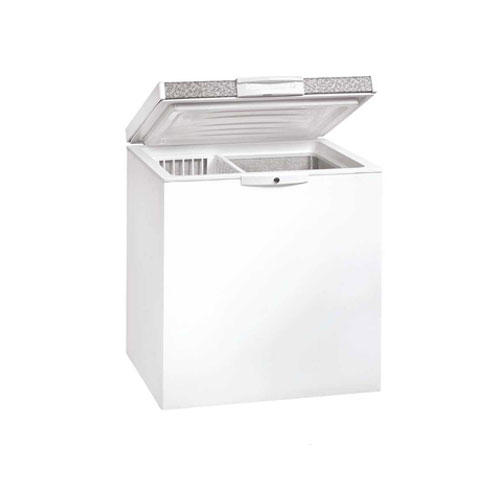
Chest freezers: the case for
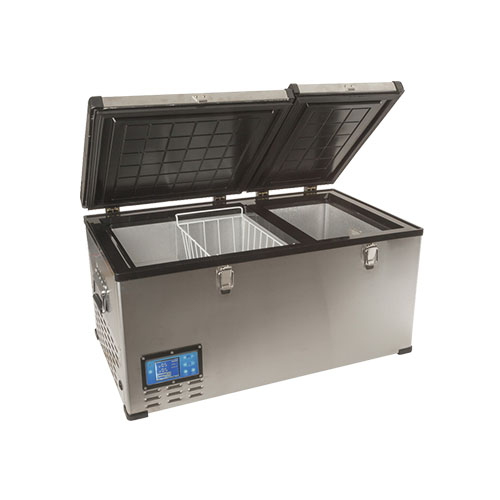
- Better at holding cold. Cold air is heavy and stays in the chest when you open the lid. An upright loses much more cold air when the door opens.
- Generally more energy efficient than an upright of the same capacity.
- More usable space, because there are no shelves or door bins taking room.
- Usually cheaper to buy per litre of capacity.
- Hold their temperature longer during power cuts, which matters in South Africa.
- Their simple design means fewer parts to fail. Most are manual defrost.
Chest freezers: the downsides
- Harder to organise. Food gets buried and forgotten at the bottom unless you use baskets and a stock list.
- They need more floor space, since you need clearance to lift the lid.
- Manual defrost is a chore and usually requires emptying the freezer a couple of times a year.
- Reaching the bottom can be awkward for some people.
Upright freezers: the case for
- Easy to organise. Shelves and door bins keep food visible and accessible.
- A smaller footprint in a kitchen or pantry, since they stand upright.
- Many models are frost-free, which reduces the need for manual defrosting.
- Often look neater and fit under counters or in built-in spaces.
Upright freezers: the downsides
- Use more electricity for the same capacity, particularly frost-free models.
- Lose cold air each time the door opens, so temperatures fluctuate more.
- Usually cost more per litre of storage.
- Frost-free models have more components, such as fans, heaters and sensors, which can fail with age.
Questions to help you choose
- How much do you want to store? Bulk buyers, hunters, fishermen and families who buy meat in bulk benefit from a chest.
- How often will you open it? Frequent small trips favour an upright. Occasional deep storage favours a chest.
- Where will it go? Garages are often hot and humid. Make sure the model is rated for the ambient temperature, which usually means a climate class of SN, N or ST.
- How would a power cut affect you? A chest gives you more time.
- Are you willing to defrost by hand?
For businesses
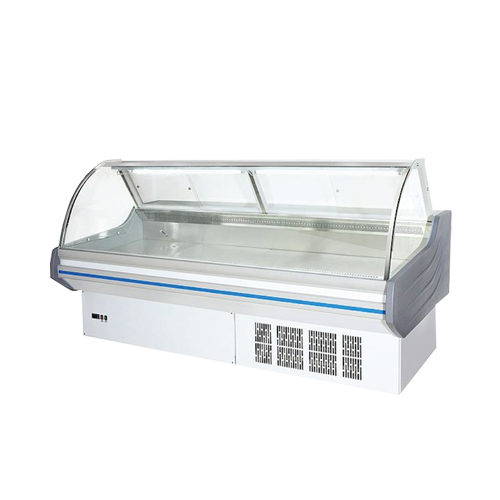
In restaurants and shops, chest freezers are common for bulk storage at the back of house, while upright stainless steel freezers are common in kitchens for easy access during service. Display chest freezers are widely used for ice cream and frozen goods in retail. Take into account the volume of product, how often staff access it and your hygiene routine.
Keep it running well
- Leave space around the freezer for airflow.
- Keep it at minus 18 degrees Celsius or colder.
- Do not overfill an upright, since air needs to circulate.
- Defrost manual models when the ice layer reaches about half a centimetre.
- Check door gaskets and clean the condenser coil regularly.
If your freezer is not holding temperature, or you are deciding whether to repair or replace an older unit, we are happy to help. We repair household and commercial freezers across Durban and the surrounding area and can also supply freezers, beverage coolers and display units.
Not sure if this applies to your fridge? Ask us.
Call 083 538 5106