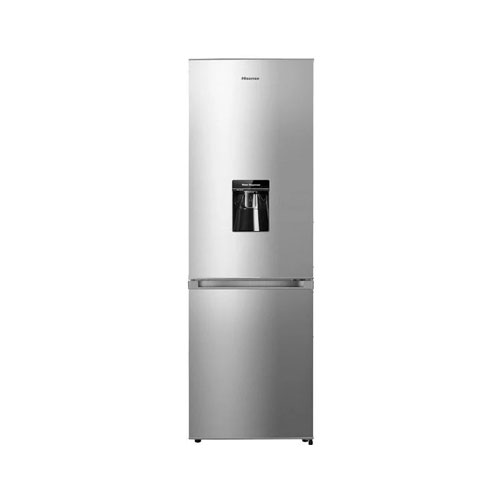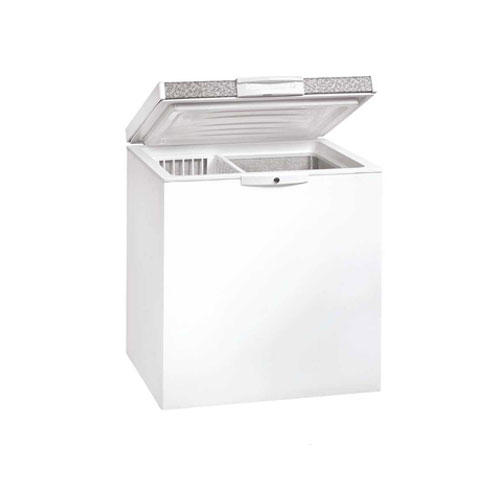
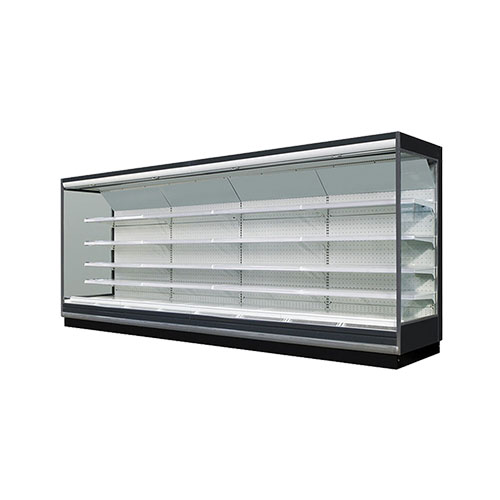
Durban is a wonderful place to live, but its warm, humid coastal climate is not kind to refrigeration equipment. Fridges and freezers that would run quietly for fifteen years inland can age faster here. The reasons are straightforward, and so are the ways to reduce the damage.
Heat makes the system work harder
A refrigeration system removes heat from inside the cabinet and releases it into the surrounding air through the condenser. The hotter the surrounding air, the harder it is to release that heat, the higher the system pressures, and the longer the compressor has to run. A fridge in a hot kitchen or a garage in a Durban summer uses more electricity and runs closer to its limits.
- Keep the fridge away from ovens, stoves, direct sunlight and heating appliances.
- Leave a gap of several centimetres at the back and sides for ventilation, as per the manual.
- In garages and outbuildings, make sure the space is ventilated. Standard domestic fridges are designed for a certain ambient range and struggle outside it.
- Do not enclose the fridge in a cabinet without ventilation.
Humidity means moisture and mould
High humidity brings more water vapour into the cabinet every time the door opens. That moisture condenses on cold surfaces, freezes into frost and puts extra pressure on defrost systems and drains. It also encourages mould on door gaskets, in drip trays and around the fridge's cold surfaces.
- Wipe door seals regularly with warm soapy water and dry them. Mould in the seal folds can cause the gasket to stiffen and leak.
- Clean the drip tray and defrost drain. Standing water and food residue smell and breed mould.
- Do not store uncovered liquids and open containers in the fridge, because they release moisture.
- Avoid leaving the door open. Every second adds humid air.
Salt air and corrosion
Close to the coast, airborne salt settles on metal surfaces. Over time it attacks the thin aluminium fins and copper tubes of condenser and evaporator coils, as well as electrical contacts and the steel cabinet. Corroded coils lose efficiency and eventually leak refrigerant, which is an expensive repair. Rust on the base of a cabinet, flaking paint or green deposits on the pipework are warning signs.
- Rinse and clean condenser coils regularly, especially for outdoor condensing units. Use a soft brush and low pressure, never a pressure washer on fins.
- For outdoor units, ask about coated or protected coils when you buy.
- Touch up scratches and rust on cabinets early.
- Keep electrical contacts clean and dry, and check outdoor isolators and wiring for corrosion.
Dust, grease and cooking residue
Kitchens add grease and flour dust, which clog condenser coils and form a sticky layer that traps even more dirt. Restaurants and bakeries should plan to clean condenser coils every few months. A blocked condenser is one of the leading causes of compressor failures we see.
Heavy rain and storms
Coastal storms bring heavy rain, flooding and electrical surges. Outdoor condensing units should sit on a raised base clear of standing water, and lightning or surge protection for the power supply is worth the cost.
A simple coastal care routine
- Every month: wipe seals, clean the drip tray, check the temperature.
- Every three to six months: clean condenser coils and the area around them.
- Every year: have a technician inspect the refrigeration system, test the defrost system and look for corrosion.
- After storms or power surges: check that the unit starts and runs normally.
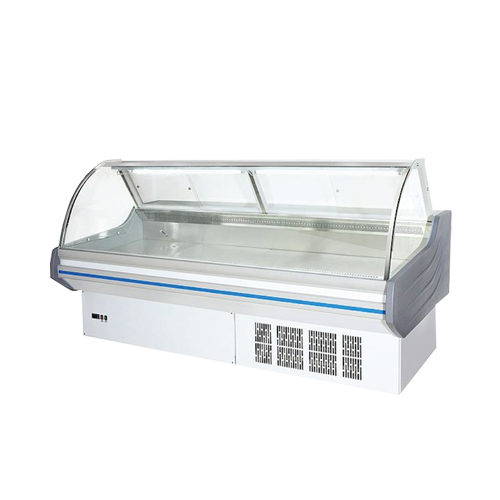
A little attention goes a long way in a coastal climate. If your fridge, display unit or cold room is struggling with the heat or showing signs of corrosion, call us. We service equipment across Durban, Umhlanga, Kloof, Hillcrest and surrounding suburbs, and we see these coastal problems every week.
Not sure if this applies to your fridge? Ask us.
Call 083 538 5106