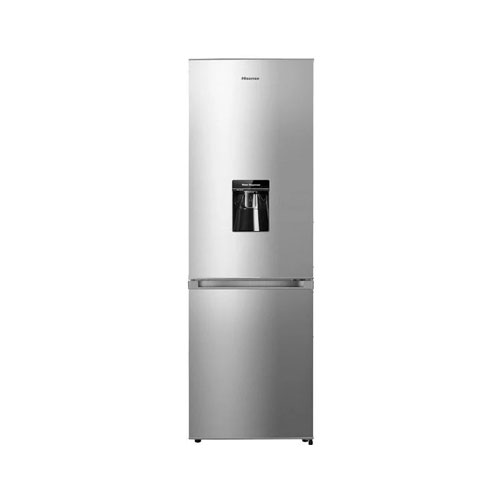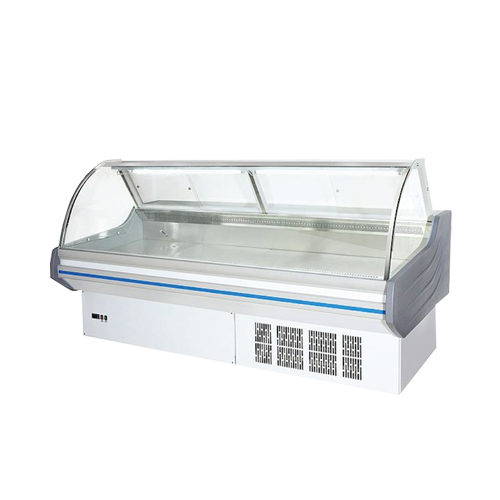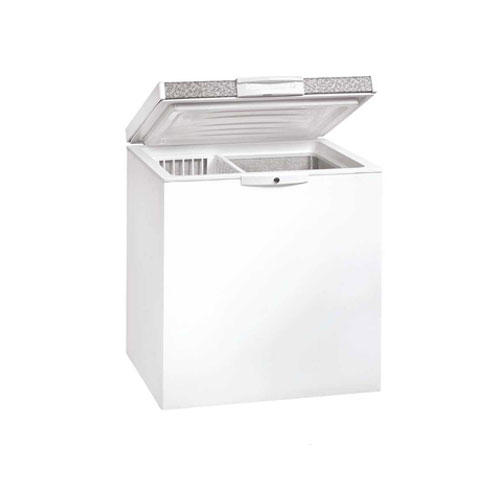
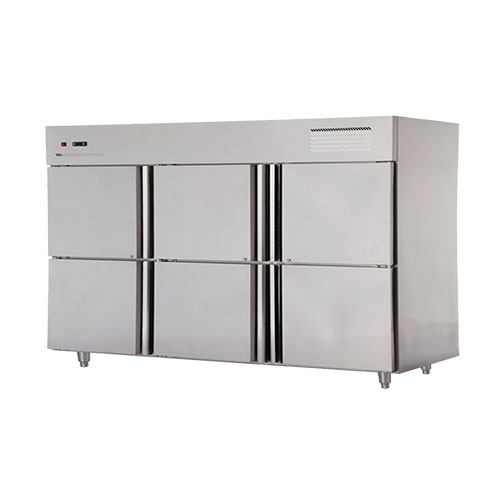
A cold room or freezer room is one of the most important assets in a food business. It is also one of the easiest to neglect, because when it works nobody thinks about it. The trouble is that when it fails, it usually fails at the worst time: Friday evening, a full booking sheet, a delivery just arrived.
The good news is that most breakdowns give warnings and most are preventable with a simple routine. The checklist below is what we recommend for restaurants, bakeries, butcheries and caterers.
Daily checks (two minutes)
- Read the room temperature on the display and write it down. Chillers should generally sit between 0 and 5 degrees Celsius, and freezers at minus 18 or colder. Check what your local food safety requirements and your customer audits expect.
- Make sure the door closes fully and the strip curtain is intact.
- Look at the floor and door frame for water or ice.
- Listen for unusual noises from the evaporator fan or condensing unit.
- Do not prop the door open during deliveries. Move stock in quickly.
Weekly checks (ten minutes)
- Check the door gasket for tears, hardening and mould. Wipe it clean.
- Check that the door hinges and latch are tight and the door self-closes.
- Look at the evaporator for ice, frost patterns and water leaks.
- Make sure stock is stored off the floor and away from the evaporator and walls.
- Check the drain line is flowing and not frozen.
- Test the internal safety release and the alarm if you have one.
Monthly checks
- Clean the evaporator fan guard and inspect fan blades for damage.
- Check the condensing unit for dust, grease, leaves and debris, and make sure there is airflow around it.
- Inspect insulation panels, door edges and the floor for damage, moisture or soft spots.
- Check lights and light switch seals for water ingress.
- Verify the thermometer against a reference thermometer to confirm it is accurate.
Quarterly service by a technician
Some jobs need tools and training. A quarterly service for a busy kitchen, or at least a twice-a-year service for lighter use, typically covers:
- Cleaning the condenser coil, which restores capacity and protects the compressor.
- Checking refrigerant pressures and looking for leaks.
- Testing the defrost system, heater, termination thermostat and drain heaters.
- Checking electrical connections, contactors and overloads for wear or heating.
- Calibrating the thermostat or controller and checking alarms.
- Inspecting fan motors, bearings and mountings.
- Measuring the amp draw of the compressor and fans against the data plate.
Good habits that cost nothing
- Let hot food cool before it goes in, and cover it.
- Do not overload the room. Air needs to circulate around stock.
- Rotate stock on a first-in, first-out basis so nothing sits forgotten against the evaporator.
- Keep the area around the condensing unit clear and ventilated. A blocked condenser is the number one cause of overheated compressors.
- Train all staff to close the door and report anything unusual immediately.
Keep records
A temperature log, a service record and a note of faults and repairs do two things. They help a technician find patterns faster, and they support your food safety audits and insurance claims if a failure ever causes a stock loss. A simple clipboard on the door works.
Have a plan for failure
Know where your stock goes if the cold room fails. Have a backup fridge or cooler boxes, a technician you can call quickly and a basic emergency procedure written down. Staff should know who to call, and what to do with product at risk.
We service and repair cold rooms and freezer rooms for restaurants, bakeries and retailers across Durban and the surrounding area. Ask us about a scheduled maintenance plan for your site.
Not sure if this applies to your fridge? Ask us.
Call 083 538 5106